Friday, 30 October 2015

Thursday, 22 October 2015
Understanding Camera Angles and Movements
Establishing Shot (EST)
- This establishes where the action takes place
- Setting the scene

Wide Shot (WS)
- Often used as establishing shot
- Used to show characters surroundings

Long Shot (LS)
- A shot which shows all or most of the fairly large subject e.g the characters.
- used to show surroundings but more portrait than landscape

Medium Long Shot (MLS)
- Knees to head with some background

Medium Shot (MS)
- Waist to head

Medium Close up (MCU)
- Head and shoulders

Close up (CU)
- Shows a character's face
- Used to show emotion

Extreme Close Up (ECU)
-A very tight shot, for example song's eyes or door handle

Over The Shoulder (OTS)- Used during a conversation
- Shot reverse shot

Overhead Shot (OH)
- Camera will be directly over the objects/actor

High Angle (HA)
- Could be used to make the object/person look powerless

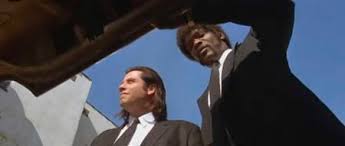
Low Angle (LA)
- Could be used to make the object/person look powerful
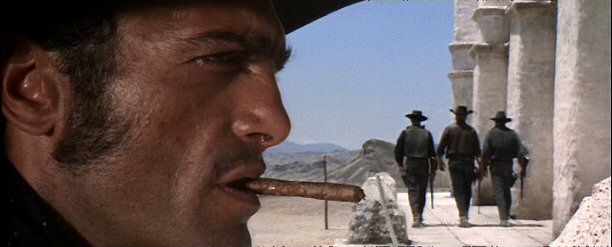
Deep Shot (DS)
- When something is in the foreground and something else is in the background
- This establishes where the action takes place
- Setting the scene
Wide Shot (WS)
- Often used as establishing shot
- Used to show characters surroundings
Long Shot (LS)
- A shot which shows all or most of the fairly large subject e.g the characters.
- used to show surroundings but more portrait than landscape
Medium Long Shot (MLS)
- Knees to head with some background
Medium Shot (MS)
- Waist to head
Medium Close up (MCU)
- Head and shoulders
Close up (CU)
- Shows a character's face
- Used to show emotion
Extreme Close Up (ECU)
-A very tight shot, for example song's eyes or door handle
Over The Shoulder (OTS)- Used during a conversation
- Shot reverse shot

Overhead Shot (OH)
- Camera will be directly over the objects/actor
High Angle (HA)
- Could be used to make the object/person look powerless
Low Angle (LA)
- Could be used to make the object/person look powerful
Deep Shot (DS)
- When something is in the foreground and something else is in the background
Saturday, 17 October 2015
Titles of Scott Pilgrim
Watch the opening here

The opening of Scott Pilgrim VS The World clearly displays the films comic book aesthetics and text box style introductions. Each character's name and age is show in a box floating near their head, as if taken straight out of the pages of a comic book (which it was). During all the credits, the main cast play over the top with their band, Sex Bob-omb, which is shows their one hobby around the house. The intro demonstrates the bland and simple student life they all live in the house and introduces almost the main characters.
{Insert timeline}
{Insert timeline}
Thursday, 15 October 2015
Preliminary Excercise
We included all 3 techniques that needed to be used:
- 180 degree rule: Rebecca constantly goes from left to right.
- Match on action: the camera zooms in on Rebecca's hand when she opens her locker.
- Shot/reverse shot: during the conversation at the end.
Thursday, 1 October 2015
Purpose and Convention
•The purpose: The purpose of a film opening is to show action and begin the viewers interest so they get immediately hooked into the film. The film opening will also clearly state the genre of the film, you will also most likely see either the protagonist or antagonist.
•Timing conventions: Most film openings are around 2 minutes long. However major blockbusters may be up to 5 minutes.
•Set the scene: year of setting, location etc.
•Introduce: Protagonist, Antagonist, sidekick,establishes scene.
•Timing conventions: Most film openings are around 2 minutes long. However major blockbusters may be up to 5 minutes.
•Set the scene: year of setting, location etc.
•Introduce: Protagonist, Antagonist, sidekick,establishes scene.
•Key credits: such as production company, logos and director.
•Usually starts with equilibrium: A key event will occur.
Codes
Media students identify three categories of codes that may be used to convey meanings in media messages:
TECHNICAL CODES which include camera techniques, framing, depth of field, Mise en scene, editing, lighting and sound.
SYMBOLIC CODES which refer to objects, setting, body language, clothing and colour.
WRITTEN CODES in the form of headlines, captions, speech bubbles and language style.
Conventions
Conventions are the generally accepted ways of doing something, and in the case of media texts, they are generally accepted patterns of code that communicate a particular message. There are general conventions in any medium, such as the use of quotes in a print article, but conventions are also genre specific. For example, in Westerns fights scenes are generally shot from a low angle, the setting is usually dusty and desolate, and even the sounds used within the scene are conventional, such as castanets, or some sort of whistle.
Subscribe to:
Posts (Atom)